- Home
- Products
- Certificates
- Cooperation
- About Us
- News
- Contact
Contact






+86 188 3213 4509
Contact
+86 188 3213 4509

Industry News
Industry news
Mar. 16, 2026
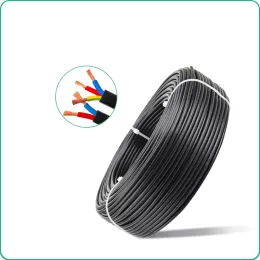
Power cables are essential components in modern electrical systems, serving as conduits that safely transmit electricity from a source to devices. These assemblies consist of one or more conductors encased in an insulating sheath, designed to meet a variety of electrical, mechanical, and environmental requirements. Zhuhai Cable offers a wide range of power cables tailored for residential, industrial, and specialized applications.
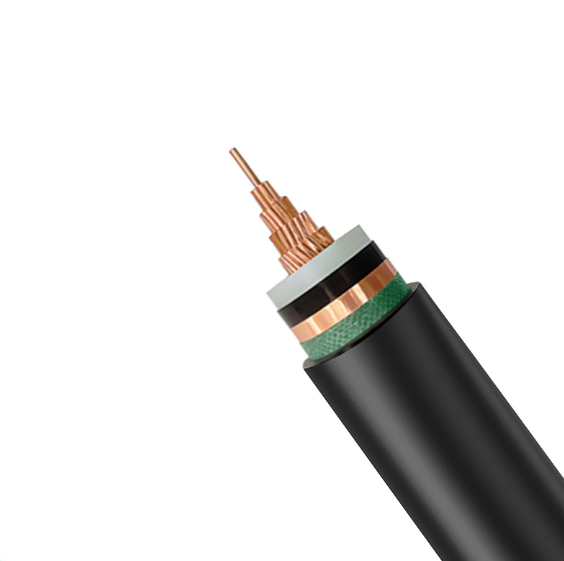
1. Industrial and Construction Cables
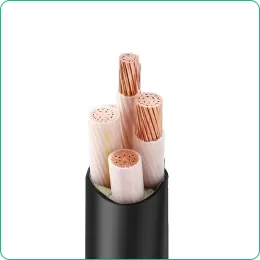
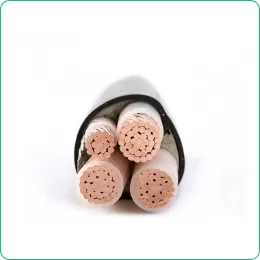
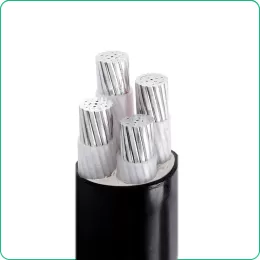
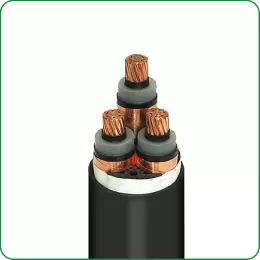
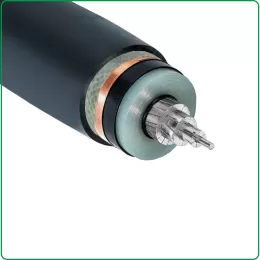
Industrial applications demand durable and high-performance cables. Commonly, XLPE (cross-linked polyethylene) and PVC insulated cables are used for their chemical resistance, high-voltage tolerance, and long service life. These cables are suitable for construction sites, manufacturing plants, and large-scale infrastructure projects.
2. Computer and Peripheral Cables
For electronics and IT devices, IEC-standard cables such as C13/C14 and C19/C20 are widely used. PC power cables are essential for desktops and servers, while modern laptops increasingly rely on high-power USB-C cables (supporting Thunderbolt 4/USB4 up to 100W) to ensure efficient charging and data transfer.
3. Specialized Power Cables
Some applications require cables designed for extreme conditions or high performance. Examples include:
High-current aircraft cables for aviation safety and reliability
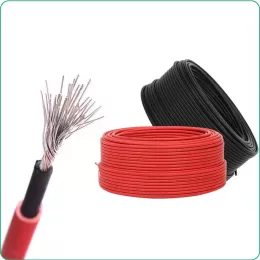
Photovoltaic (solar) cables for renewable energy installations
High-performance audio cables that minimize electromagnetic interference for superior sound quality
Armored and submarine cables designed for mechanical protection and high-voltage transmission under harsh environments
When choosing a power cable, consider the following:
Connector Type: Ensure compatibility with devices, outlets, and industrial equipment.
Wire Gauge (AWG): Determines the maximum current the cable can safely carry. Selecting the proper gauge prevents overheating and potential hazards.
Voltage and Temperature Ratings: Critical for industrial, high-voltage, and outdoor applications to maintain safety and performance.
Durability and Insulation: Consider environmental exposure, chemical resistance, and flexibility depending on installation requirements.
Power cables are versatile and used in diverse sectors:
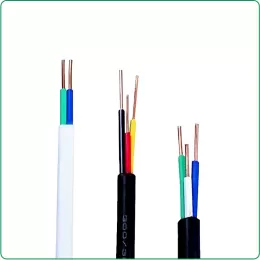
Residential: Kitchen appliances, computers, and home electronics
Industrial: Machinery, control panels, and high-voltage distribution
Renewable Energy: Solar panels and energy storage systems
Transport and Aerospace: Aircraft systems and specialized vehicular equipment
Selecting the right power cable ensures both efficiency and safety in electrical systems. Whether for household electronics, industrial machinery, or specialized applications, Zhuhai Cable provides a comprehensive range of high-quality cables that meet international standards and performance requirements. Understanding the types, standards, and specifications helps users make informed decisions and ensures reliable electrical transmission across all applications.