- Home
- Products
- Certificates
- Cooperation
- About Us
- News
- Contact
Contact






+86 188 3213 4509
Contact
+86 188 3213 4509

Industry News
Industry news
Mar. 27, 2026
Low voltage cables are essential components in electrical systems that transmit electrical power in applications where system voltages typically do not exceed 0.6/1 kV (600/1000 V). These cables are widely used in commercial buildings, industrial facilities, infrastructure, and residential power distribution systems.
Choosing the correct low voltage cable can greatly influence the safety, performance, and longevity of your electrical installation. This guide will walk you through the key considerations you need to make when selecting the right cable type for your specific project needs.
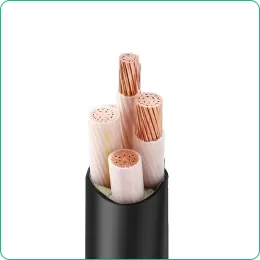
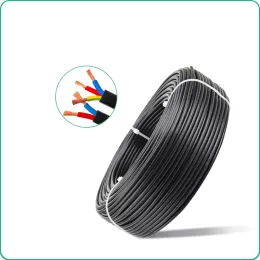
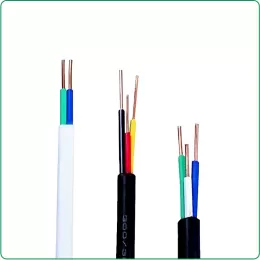
A low voltage cable is designed with conductors insulated to safely transmit electrical power at voltages up to approximately 1 kV. These cables are constructed to meet applicable industry standards and can vary in materials and protective features depending on the application environment.
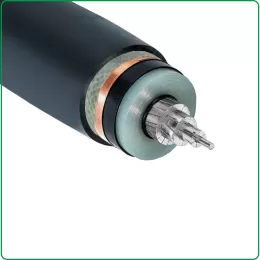
Low voltage cables commonly consist of:
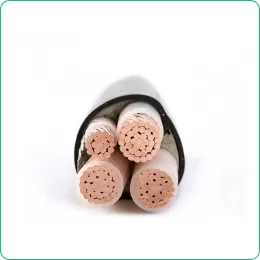
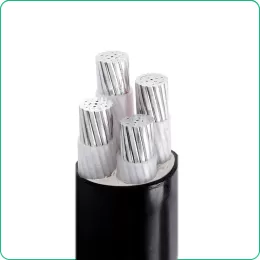
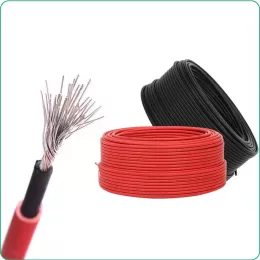
Conductors made of copper or aluminum.
Insulation such as XLPE (cross-linked polyethylene) that resists heat and environmental stress.
Sheaths like PVC (polyvinyl chloride) or LSZH (low smoke zero halogen) to provide mechanical protection and fire safety.
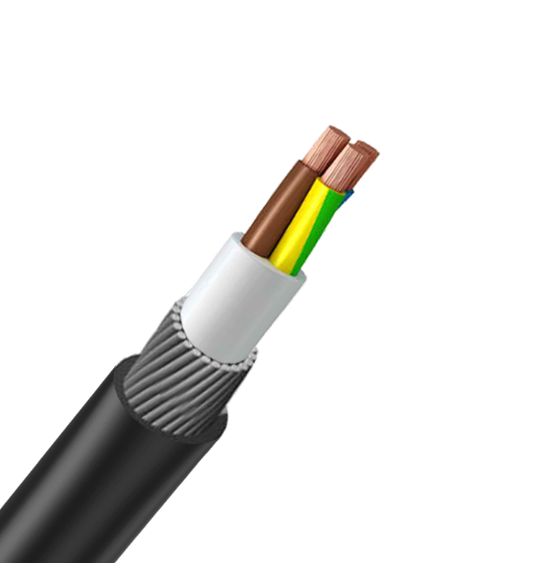
These cables feature copper or aluminum conductors with cross‑linked polyethylene insulation and a PVC outer sheath. They are suited for general power distribution in buildings, industrial plants, and underground installations where there is no expected mechanical damage.
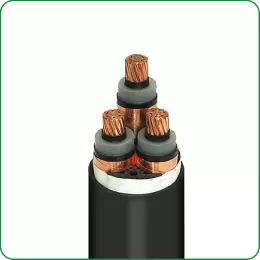
STA cables include a layer of steel tape armour between the insulation and outer sheath. This armour provides mechanical protection, making these cables suitable for environments where the cable may be stressed, such as tunnels, industrial facilities, and outdoor installations where physical impact is possible.
SWA cables use heavy‑duty steel wire armouring for a high level of mechanical protection. This makes them ideal for rugged conditions, including underground power networks, fixed wiring in industrial settings, and areas requiring high durability.
Ensure the cable is rated for the system’s operating voltage (e.g., 0.6/1 kV for most low voltage applications) and can carry the intended current load without excessive heat buildup. Matching conductor size and insulation type to the electrical load prevents overheating and energy loss.
Copper conductors provide excellent conductivity and flexibility.
Aluminum conductors are lighter and often more cost‑effective for larger cable sizes but slightly less conductive than copper.
Pick the material based on performance and budget needs, as well as environmental conditions.
Choose cable sheathing and protection according to where the cables will be installed. Consider:
Outdoor vs. indoor usage
Exposure to moisture or corrosive elements
Risk of mechanical damage from heavy equipment or foot traffic
Armoured cables (STA or SWA) are better suited to harsh conditions, whereas unarmoured cables suffice for protected, interior applications.
In buildings with strict fire safety requirements, selecting cables with LSZH outer sheaths can minimize smoke and toxic emissions in case of fire. This is especially important in public spaces, tunnels, and high‑occupancy buildings.
Assess the route and installation environment before choosing cable protection.
Verify compliance with local electrical codes and standards.
Consider future scalability — choose cables that support potential future power increases.
Work with a trusted manufacturer such as Zhuhai Cable to ensure quality and compliance.
Selecting the right low voltage power cable requires careful consideration of electrical requirements, installation environment, and safety standards. Understanding different cable types — including XLPE insulated, steel tape armoured (STA), and steel wire armoured (SWA) — helps you match your project demands with the proper cable construction. By prioritizing capacity, durability, and safety, you can ensure a reliable and long‑lasting power distribution system for your application.