- Home
- Products
- Certificates
- Cooperation
- About Us
- News
- Contact
Contact



+86 188 3213 4509
Contact
+86 188 3213 4509

Industry News
Industry news
Mar. 10, 2026
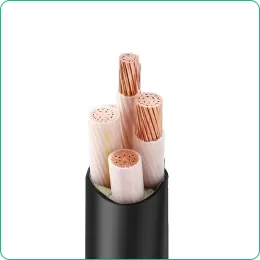
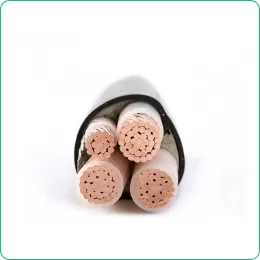
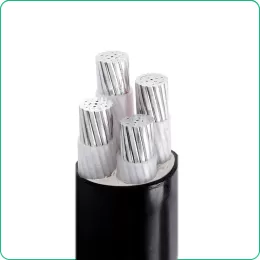
Selecting the right cable insulation material is critical for electrical safety, performance, and long-term cost efficiency. XLPE (Cross-Linked Polyethylene) and PVC (Polyvinyl Chloride) are the two most common insulation materials for power and control cables.
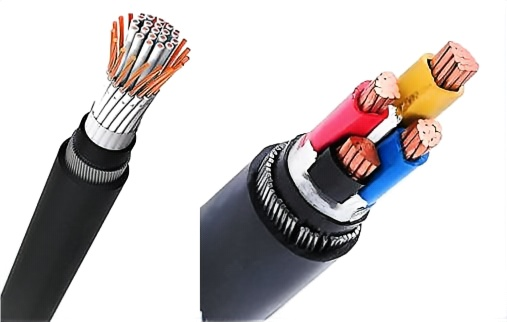
PVC is a thermoplastic insulation material made from vinyl chloride monomers, modified with plasticizes for flexibility. It is widely available for low-voltage applications
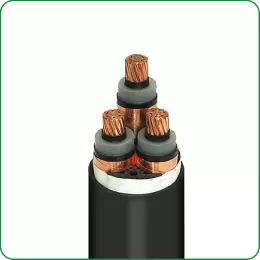
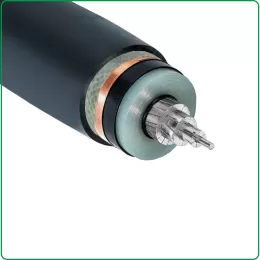
XLPE is a thermosetting material created by chemically or physically cross-linking polyethylene molecules to form a 3D network structure. It requires specialized cross-linking equipment (e.g., electron accelerators), has heat resistance, mechanical strength, and superior electrical performance.
As the two most widely used insulation materials in the cable industry,XLPE( Cross-Linked Polyethylene) and PVC( Polyvinyl Chloride) exhibit significant differences in material properties, electrical performance, and environmental safety ect.
| XLPE Cable | PVC Cable | |
| Insulation Material | XLPE | PVC |
| Rated Operating Temperature | 90°C | 70°C |
| Short-Term Withstand Temperature | 250°C(for short-circuit≤5 seconds) | 160°C (for short-circuit≤5 seconds) |
| Electrical Insulation Performance | Low dielectric loss,high insulation resistance;Excellent partial discharge resistance and electrical tree resistance;Suitable for medium and high voltage cables from 6kV to 110kV | High dielectric constants and dielectric loss; moderate insulation stability;Only suitable for low voltage, low-frequency power transmission |
| Mechanical Properties | High strength, wear resistant, corrosion resistant | Flexible, poor abrasion resistance |
| Environmental and Safety Performance | Available in low-smoke, halogen-free variant with low combustion toxicity | Contains Halogens, releases toxic, corrosive gases and dense smoke when burned, harmful to humans and equipment |
| Aging Resistance | Resistant to UV and Ozone | Prone to aging and cracking |
| Application Scenarios | Medium and high Voltage power cables;High temperature, high-load and long distance transmission lines;Renewable energy, rail transit, data centers, and medical facilities;Underground ducts, tunnels, high-humidity, and high-corrosion environments;Public facilities requiring low smoke, halogen-free, and long service life | Low voltage indoor wiring in residential buildings;internal wiring for household appliances and instrument controls; Traditional power cables in cost-sensitive projects with normal temperature conditions;General industrial power distribution lines without high environmental protection requirements |
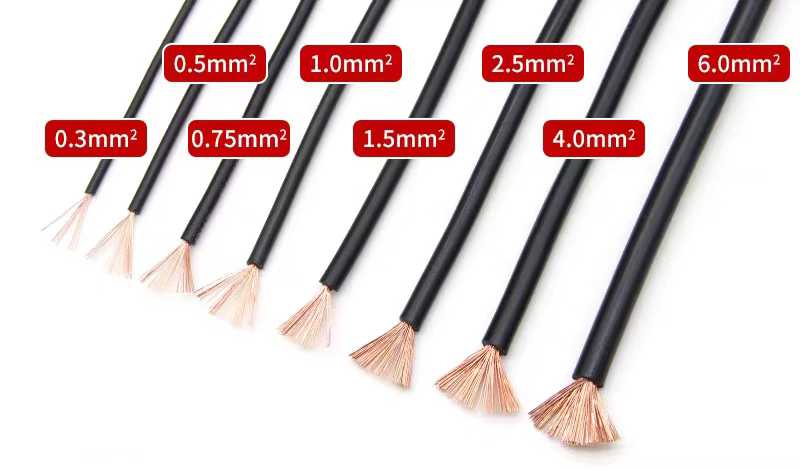
Residential indoor wiring: Low cost and flexibility, suitable for 220V/380V systems
Commercial building lighting/control: Economical and easy to install in walls and ceilings
Temporary construction site wiring: Flexible and low-cost (can be replaced after project completion)
XLPE insulated Cable are more suitable for:
10kV/35kV urban power grids: XLPE offers high dielectric strength for medium- and high-voltage applications
Steel plants/chemical plants: XLPE provides high-temperature resistance, corrosion resistance, and wear resistance
Photovoltaic/wind farm DC cables: XLPE ensures thermal stability in outdoor renewable energy systems
Underground tunnels/pipelines: XLPE offers water tree resistance and long service life
Hospitals/data centers: LSZH XLPE ensures low smoke and low toxicity for fire safety
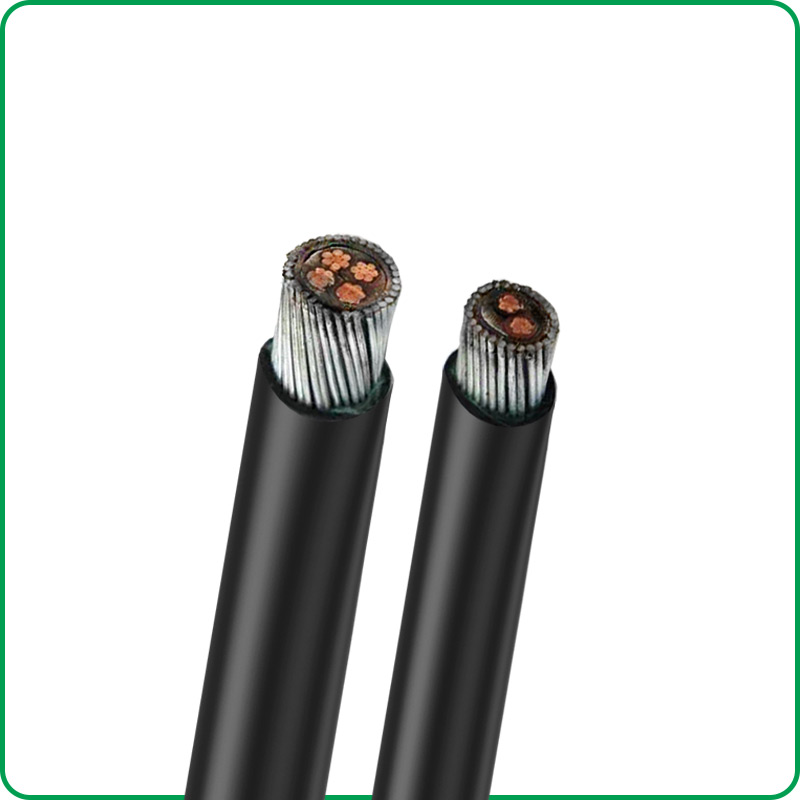
In the context of the environmental era, XLPE insulated cable and PVC insulated cable each have their own advantages and disadvantages. If the project budget is limited, and the application scenario is low voltage and normal temperature environment, with low requirements for environmental protection and safety, then PVC cable are an economical and practical choice. In contrast, XLPE cable have become the preferred option for medium and high voltage, high-demand applications due to their excellent electrical performance, heat resistance, mechanical strength, and environmental safety. With the continuous advancement of technology, these two materials will continue to be upgraded and optimized, providing strong support for the green and sustainable development of the cable industry. If you want to make a better choice, please consult us at WhatsApp 008618832134509.