- Home
- Products
- Certificates
- Cooperation
- About Us
- News
- Contact
Contact





+86 188 3213 4509
Contact
+86 188 3213 4509

Industry News
Industry news
May. 25, 2026
When considering solar energy solutions, it's essential to understand the differences between solar cables and standard electrical cables. As a leading Solar Cable Supplier, zhuhaicable can help you make informed choices.
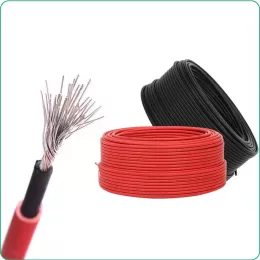
Solar cables are specifically designed for photovoltaic (PV) systems, where they must withstand harsh environmental conditions and high levels of UV radiation. They typically have a higher temperature rating and are built to last in outdoor conditions.
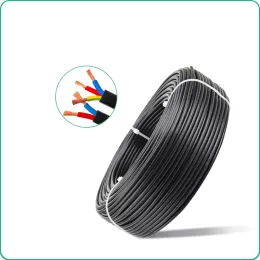
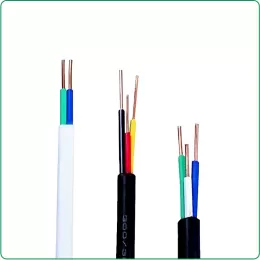
Standard electrical cables are used for general applications, including homes and industries. They are designed for regular electrical current and do not typically include the same protective features necessary for outdoor use.
Solar cables often use tinned copper to prevent corrosion, especially in outdoor environments.
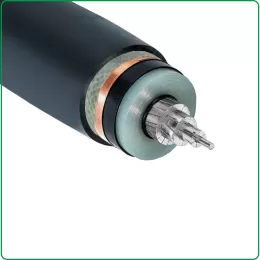
Standard cables may use copper, aluminum, or aluminum alloy, which can corrode more easily when exposed to moisture and air.
Solar cables commonly use polymer insulation that is designed to withstand extreme UV exposure and temperature fluctuations, while standard cables may utilize PVC or other materials that might not perform under harsh conditions.
Solar cables contribute to an efficient energy transmission, thus enhancing battery life in solar applications. In comparison, standard electrical cables may not be optimized for energy efficiency over prolonged use.
Solar cables are tested for high temperatures, UV exposure, and abrasion resistance.
Standard cables may degrade faster in similar conditions, leading to a decrease in performance and potential safety hazards.
High durability and weather resistance.
Improved energy efficiency for solar applications.
Longer warranty periods offered due to their specialized design.
Higher initial cost than standard cables.
Limited use in non-solar applications.
Lower cost and versatile for varied electrical applications.
Widely available at many local retailers.
Reduced lifespan in extreme outdoor conditions.
Not suitable for high-efficiency solar systems.
| Parameter | Solar Cables | Standard Cables |
|---|---|---|
| Conductor Material | Tinned Copper | Copper/Aluminum |
| Insulation Type | Polymer | PVC or Other |
| UV Resistance | High | Low to Moderate |
| Temperature Range | -40°C to 90°C | -20°C to 70°C |
| Typical Applications | Solar Panels | General Wiring |
Individuals and businesses looking to install solar power systems should choose solar cables to ensure maximum efficiency and durability.
For general wiring needs in homes or office buildings that do not involve solar installations, standard electrical cables are usually more cost-effective.
In summary, understanding the key differences between solar cables and standard electrical cables can help you make an informed decision tailored to your needs. For reliable options, reach out to us, zhuhaicable, your trusted Solar Cable Supplier. Don't compromise on quality when it comes to your solar energy installations.