- Home
- Products
- Certificates
- Cooperation
- About Us
- News
- Contact
Contact

+86 188 3213 4509
Contact
+86 188 3213 4509
Industry News
Industry news
Jul. 03, 2026
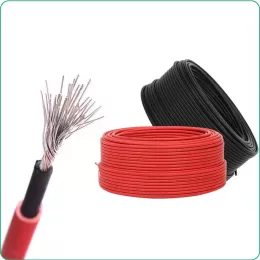
UV resistance and weather protection in solar cables are crucial for ensuring the longevity and efficiency of solar power systems. Solar cables often face harsh environmental conditions, including intense sunlight, rain, and extreme temperatures. Without proper protection, these cables can deteriorate quickly, leading to reduced performance and costly repairs. The importance of insulation materials and weather resistance cannot be overstated. Low-quality cables may degrade, resulting in potential safety hazards. Understanding how to choose the right solar cable is essential for both homeowners and installers.
The best solar cables must provide UV resistance and weather protection to ensure maximum efficiency and safety. Choosing the right materials helps to prevent damage from sunlight and harsh weather conditions, prolonging the life of your solar energy system.
Solar cables made with high-quality materials can withstand UV radiation. This ensures they don’t become brittle over time. In contrast, cables without adequate UV protection can fail quickly, leading to decreased power generation.
Cross-linked polyethylene (XLPE) is a popular choice for solar cables because of its excellent weather resistance. It protects against heat, moisture, and chemical exposure. This material keeps your system running smoothly for years.
| Cable Type | UV Resistance | Temperature Range | Weather Durability |
|---|---|---|---|
| XLPE Insulated | High | -40°C to 90°C | Excellent |
| PVC Insulated | Moderate | -20°C to 70°C | Good |
| Rubber Insulated | High | -30°C to 80°C | Good |
Determine the UV exposure in your area.
Check the insulation materials used in the cable.
Evaluate the temperature range and certifications.
In conclusion, ensuring UV resistance and weather protection in solar cables is vital for optimizing the performance and lifespan of solar energy systems. By selecting cables made from high-quality materials, such as XLPE, users can minimize the impacts of environmental factors. This not only secures the efficiency of the systems but also reduces maintenance costs. When purchasing solar cables, always consider weather resistance and UV protection attributes.
Quality solar cables can last up to 25 years or more, depending on environmental conditions and material quality.
UV resistance prevents degradation from sunlight, ensuring that cables remain effective over time.
Cross-linked polyethylene (XLPE) is considered one of the best options due to its superior weather resistance and durability.
Look for certifications and markings on the cable packaging that indicate weather resistance, such as UL or TÜV standards.
No, standard electrical cables may not have the necessary UV and weather protection for outdoor solar applications.
If you notice wear or deterioration, replace the cables immediately to avoid safety issues and inefficiencies in your solar power system.