- Home
- Products
- Certificates
- Cooperation
- About Us
- News
- Contact
Contact






+86 188 3213 4509
Contact
+86 188 3213 4509

Industry News
Industry news
Jul. 03, 2026
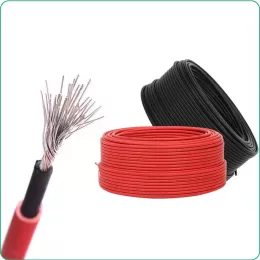
Single core solar cables are designed with a single conductor, typically made of copper or aluminum, which is insulated for protection against environmental factors. They are commonly used in various solar applications where flexibility and lightweight design are required.
• Lightweight and flexible, making installation easier.
• Better for short distances due to lower resistance.
• Suitable for applications where space is limited.
• Limited power carrying capacity for larger systems.
• More prone to damage from external factors.
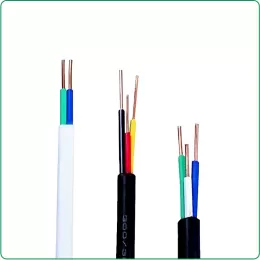
Twin core solar cables feature two conductors, typically twisted together, allowing for more current to be transmitted. This design is often utilized in systems requiring higher power output or where dual circuits are installed.
• Higher current carrying capacity for more substantial installations.
• More durable and resistant to wear and tear.
• Suitable for complex wiring systems requiring dual connections.
• Heavier and less flexible, making installation more challenging.
• Typically more expensive than single core options.
| Feature | Single Core Cables | Twin Core Cables |
|---|---|---|
| Conductor Count | 1 | 2 |
| Current Capacity | Lower | Higher |
| Weight | Lighter | Heavier |
| Flexibility | More Flexible | Less Flexible |
| Cost | Lower | Higher |
In real-world testing, single core cables tend to perform better in smaller setups or residential solar power systems, providing adequate efficiency without significant energy loss. In contrast, twin core cables excel in larger commercial installations where power demands are higher and reliability is critical.
• Single core cables are ideal for small-scale applications and offer ease of use.
• Twin core cables are best suited for larger systems requiring durability and higher capacity.
• Consider installation space, budget, and power needs when choosing between the two.
• Residential users with limited space may prefer single core cables for their light weight and flexibility.
• Commercial users or larger installations should opt for twin core cables to ensure adequate power supply and stability over long distances.
As a trusted Solar Cable Supplier, we at zhuhaicable provide high-quality solar cables tailored to your specific needs. You can find more detailed information about our products at 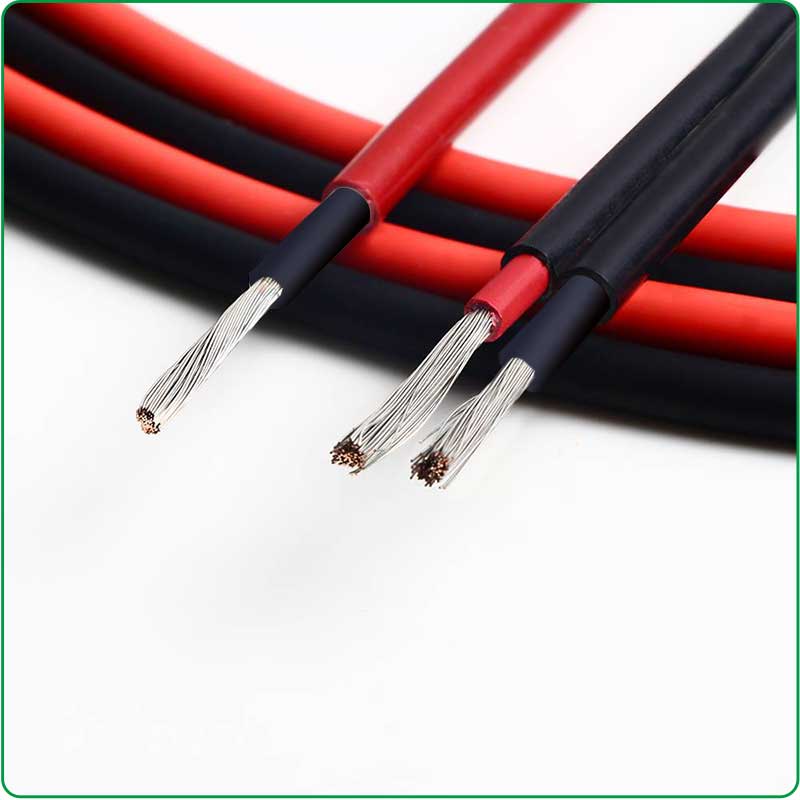
In conclusion, understanding the differences between single core and twin core solar cables can significantly impact the performance and efficiency of your solar power systems. Choose wisely and ensure your investment leads to optimized energy production.