- Home
- Products
- Certificates
- Cooperation
- About Us
- News
- Contact
Contact






+86 188 3213 4509
Contact
+86 188 3213 4509

Industry News
Industry news
Jun. 03, 2026
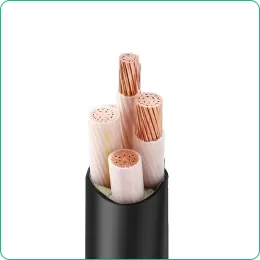
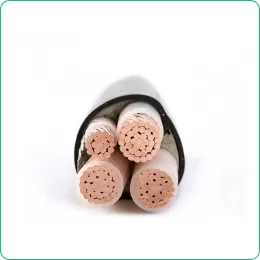
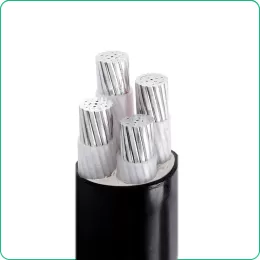
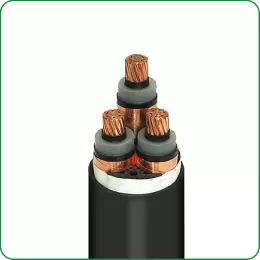
When selecting solar cables, two primary materials dominate the market: copper and aluminum. Knowing the differences in conductivity, resistance, and thermal characteristics is crucial for making an informed choice.
Below is a comprehensive table comparing the core parameters of copper and aluminum solar cables:
| Parameter | Copper | Aluminum |
|---|---|---|
| Conductivity | High | Moderate |
| Resistance | Low | Higher |
| Weight | Heavier | Lighter |
| Cost | More Expensive | Less Expensive |
Solar installers and end-users report varying results with copper and aluminum cables:
Copper cables typically show improved battery life due to their lower resistance.
Aluminum cables are favored for lightweight installations, but users note slightly reduced efficiency.
Longevity and stability are enhanced with copper, especially under high load conditions.
Understanding the pros and cons can clarify which type of cable fits specific projects:
Superior conductivity and efficiency
Better longevity and corrosion resistance
Stable performance under heavy loads
Higher upfront costs
Heavier and more challenging to install
Lower cost and weight
Ease of installation
Higher resistance leading to reduced efficiency
Potential for oxidation if not properly insulated
Based on the evaluation of copper and aluminum cables, consider the following recommendations:
Choose copper cables for large-scale installations or where efficiency is paramount.
Opt for aluminum cables in residential setups or when budget constraints are present.
Always consider installation conditions and expected loads when making your selection.
In conclusion, both copper and aluminum solar cables have their unique advantages and drawbacks. As a reputable Solar Cable Supplier, Zhuhaicable offers a variety of high-quality options suited for all needs in solar applications. For a reliable choice, you can visit our website at Zhuhaicable.